🐝 Honey Bee Swarms
Report a SwarmWhat does a swarm look like?
Swarms typically form a tight cluster the size of a softball to a basketball, hanging from a branch, fence, or other surface. They’re usually only there for a few hours to a couple of days while scout bees search for a permanent home.
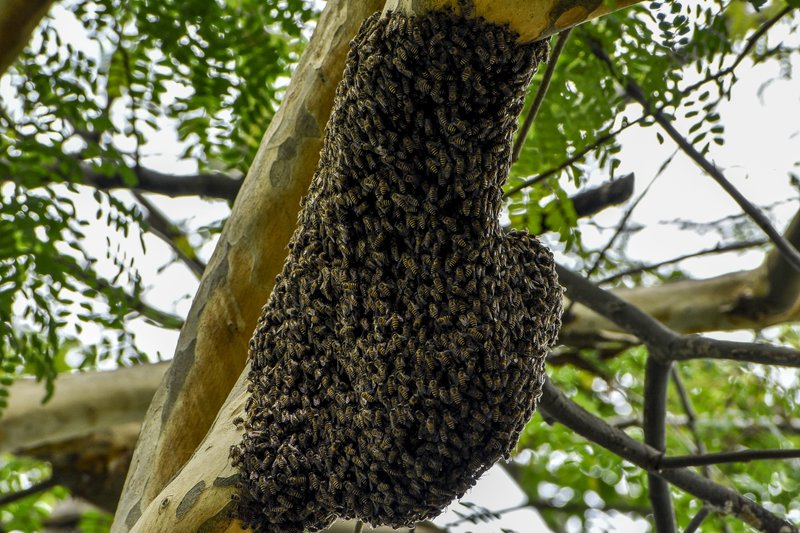
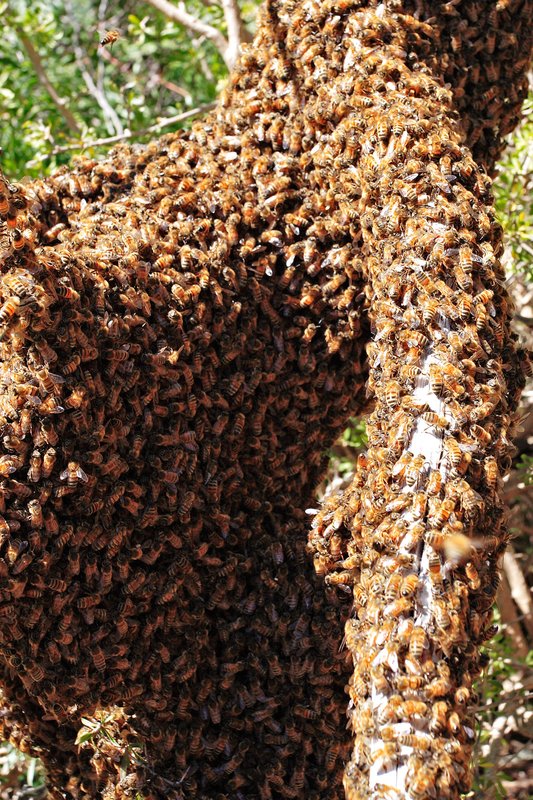
If the bees are inside a wall, soffit, or chimney, they’re a more established colony — that needs a removal specialist, not a swarm collector.
Is it actually a honey bee?
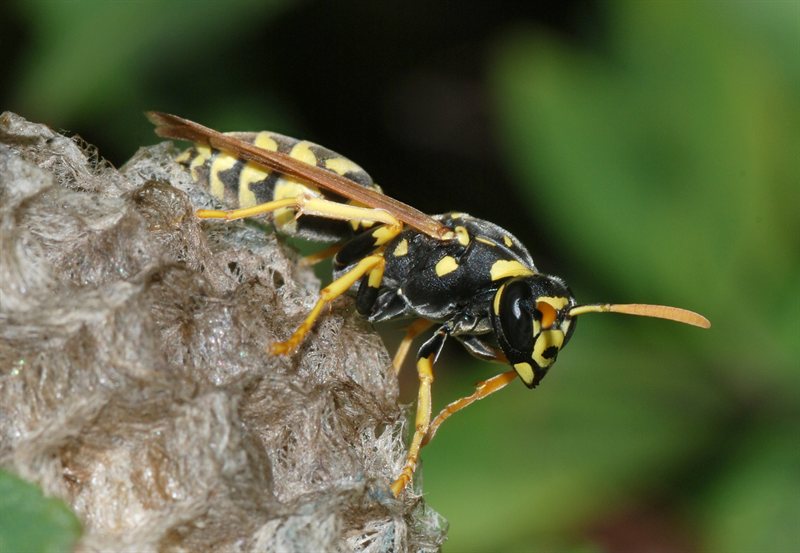
A lot of "bee swarm" calls turn out to be yellow jackets, wasps, or hornets — very different animals with very different behavior. Look at the four side-by-side below and compare to what you’re seeing.
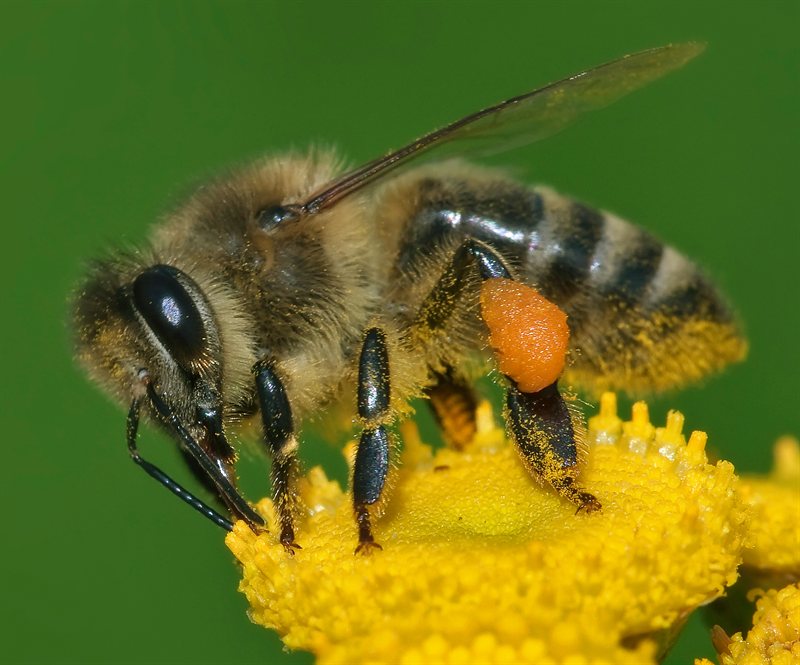
Apis mellifera
Fuzzy, golden-brown, ~1/2 inch
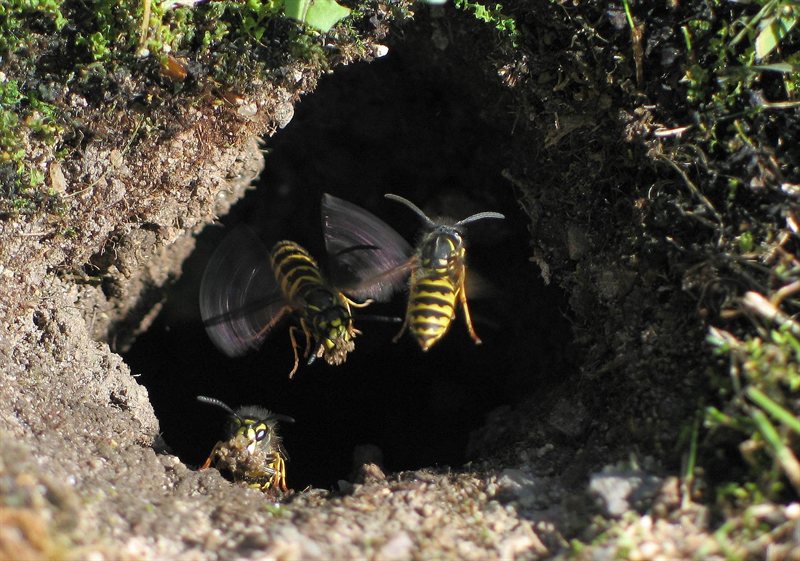
Vespula sp.
Smooth, shiny, narrow waist; aggressive in late summer
Polistes sp.
Slender body, long dangling legs
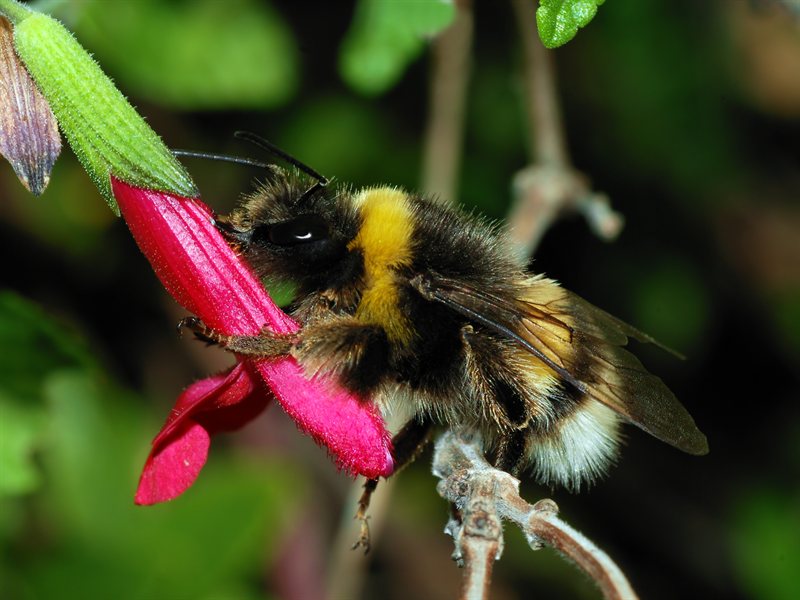
Bombus sp.
Big and very fuzzy; banded yellow, orange, or black depending on species
Bumblebees are pollinators too — if you spot a small bumblebee nest, leave it alone; the colony dies off by fall. Yellow jackets and paper wasps build paper nests in eaves and the ground and are not collected by beekeepers — for those, contact a pest-control service.
Insect ID photos (resized from originals; same CC BY-SA license as source): honey bee © Andreas Trepte via Wikimedia (CC BY-SA 2.5); yellow jacket © Soebe via Wikimedia (CC BY-SA 3.0); paper wasp © Alvesgaspar via Wikimedia (CC BY-SA 4.0); bumblebee © Alvesgaspar via Wikimedia (CC BY-SA 3.0).
See it in action
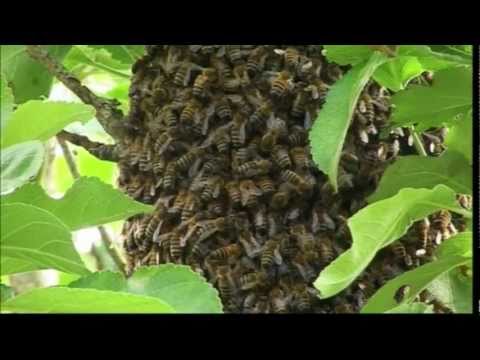
How not to remove a swarm
A homeowner tries a DIY swarm removal — cautionary footage.
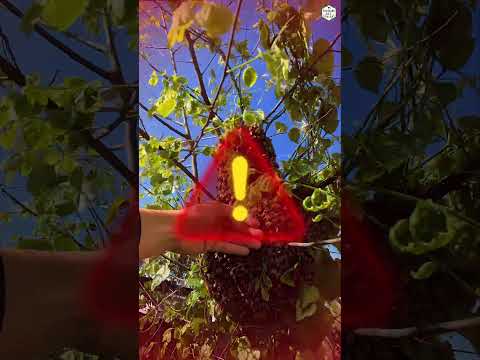
Don’t kill the swarm
Why swarms aren’t a threat and what to do instead.
How it works
1. You report it
Fill out the short form with the address, size, height, and a photo if you have one. Takes about a minute.
2. Beekeepers get alerted
Local beekeepers within range get a text. The first one to claim it is the one who comes — nobody else needs to drive out.
3. They collect the swarm
A beekeeper contacts you, comes to the site, and rehomes the bees into a hive. No charge, ever.
Are you a beekeeper?
Sign up to be notified when swarms are reported in your area. You set how far you’ll drive, how high you’ll work, and when you’re available.
Log in to sign up as a collector